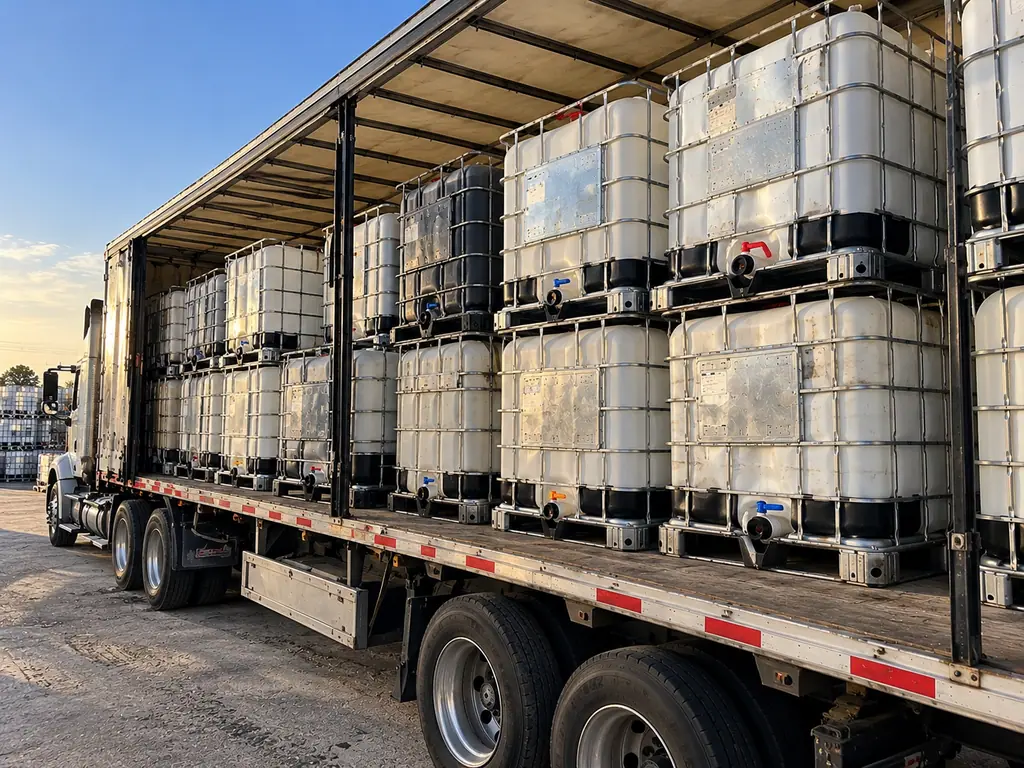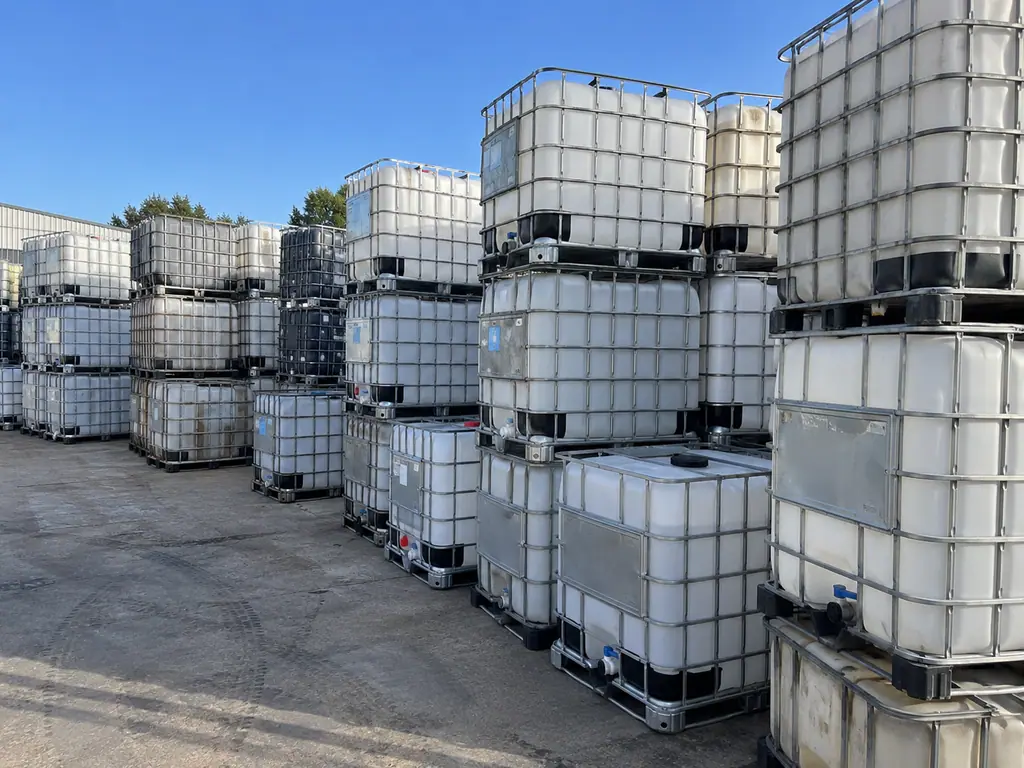
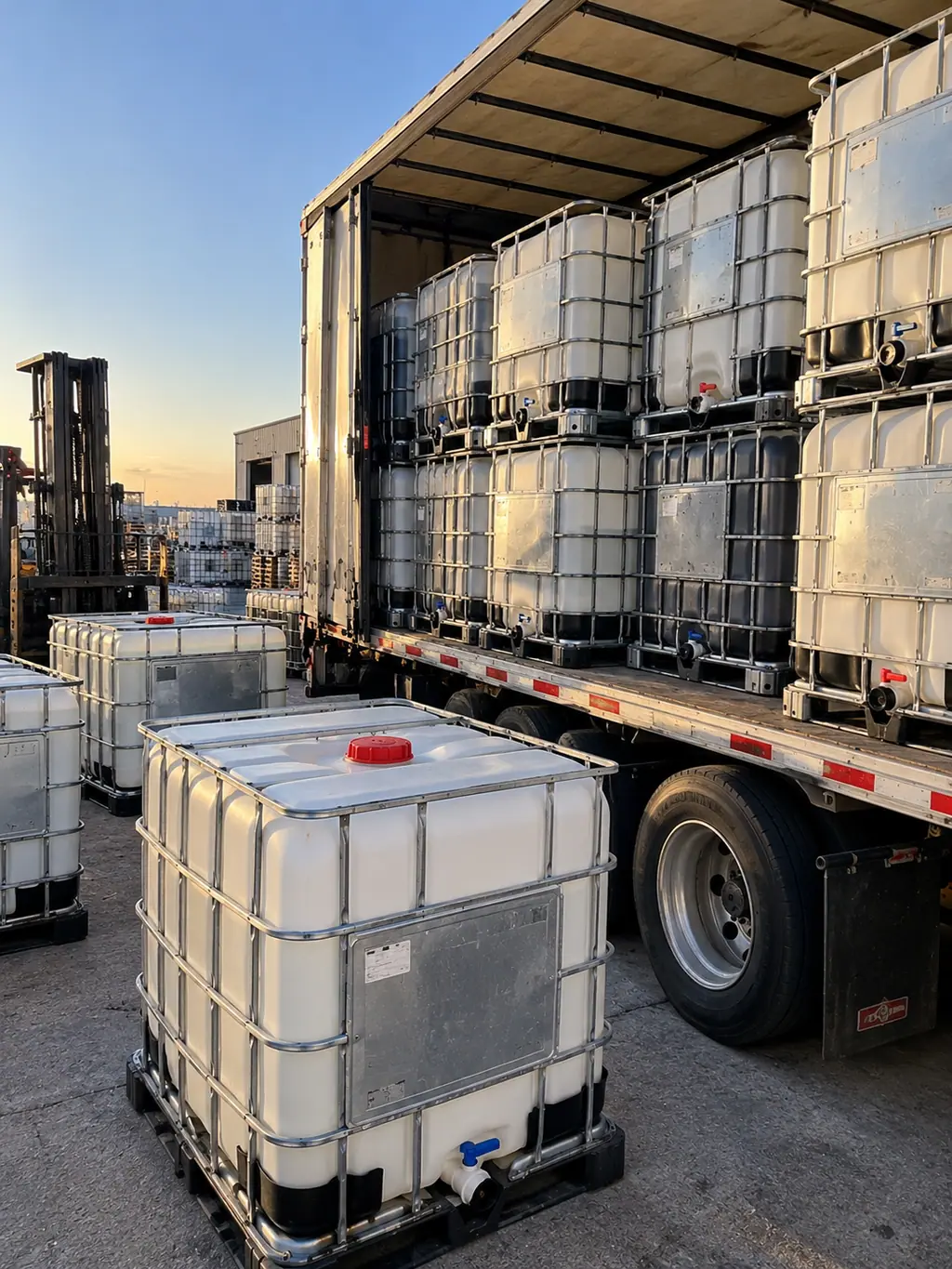
In 2010 we sold nine totes described as clean to a food processor. One of them had held a non-food surfactant. It had been rinsed, it looked immaculate, and by any reasonable use of the English word it was clean. It was also completely wrong for the customer's job.
We took the load back, ate the freight, and then had the argument internally that we should have had a year earlier: what does clean actually mean on a listing?
Four things a seller can mean by it
- Visually clean — nothing is visible through the fill port.
- Rinsed — water has been through it, once.
- Washed — a multi-stage process with chemistry matched to contents.
- Appropriate for your product — which depends on your product, not on the tote.
A buyer reads the fourth. A seller usually means the first or second. That gap is where returns, arguments and the occasional genuinely dangerous mistake live.
What we say instead
Our listings now describe process and history, never outcome. A unit is not clean; a unit has a last-contents record, a wash category, a chemistry, a temperature, a hold time, and a grade that follows from those four. The buyer makes the judgement about appropriateness, because only the buyer knows what is going in it.
| Old wording | What we write now |
|---|---|
| Clean 275 gal tote | 275 gal · W3 · last contents: glycol coolant · caustic 150°F / 10 min · new valve |
| Food grade, very clean | 275 gal · FG · food-only documented history · steam 190°F / 8 min · sealed · interior photo in file |
| Rinsed, good condition | 275 gal · TG · single rinse · last contents: liquid fertilizer · cage straight, feet sound |
| Dirty, as-is | 275 gal · AI · unwashed · last contents: unknown · sold for non-contact use only |
It costs us sales, and we kept doing it
A listing full of codes and temperatures converts worse than a photograph of a shiny white tote with the word CLEAN over it. We know, because our enquiry rate dropped when we changed the format.
What also dropped was returns, to almost nothing, and the number of conversations that begin with somebody feeling misled. In a business where most of your orders come from customers you already sold to, that trade is not close.
Describe what you did to it. Let the buyer decide what it is good for. Every disagreement we have ever had with a customer came from inverting those two.
What to do with this if you are buying elsewhere
When a listing says clean, ask the four-way question: visually, rinsed, washed, or appropriate for my product? A seller who can answer that question in those terms is worth buying from. A seller who repeats the word back to you is telling you something, and it is not about the tote.