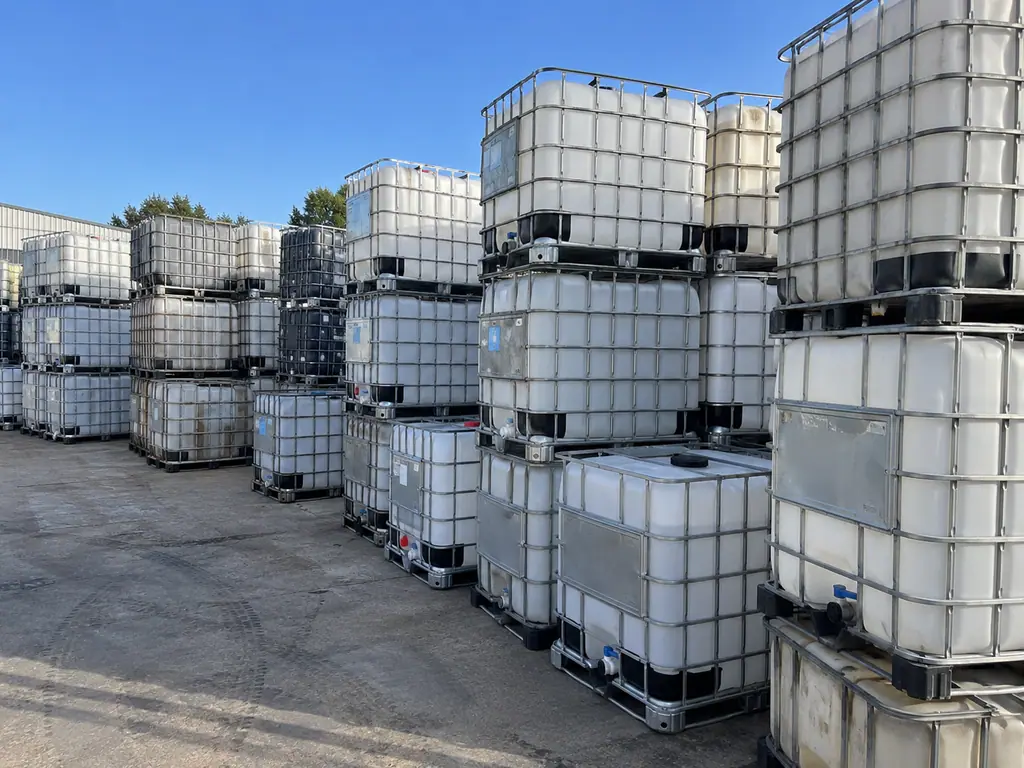
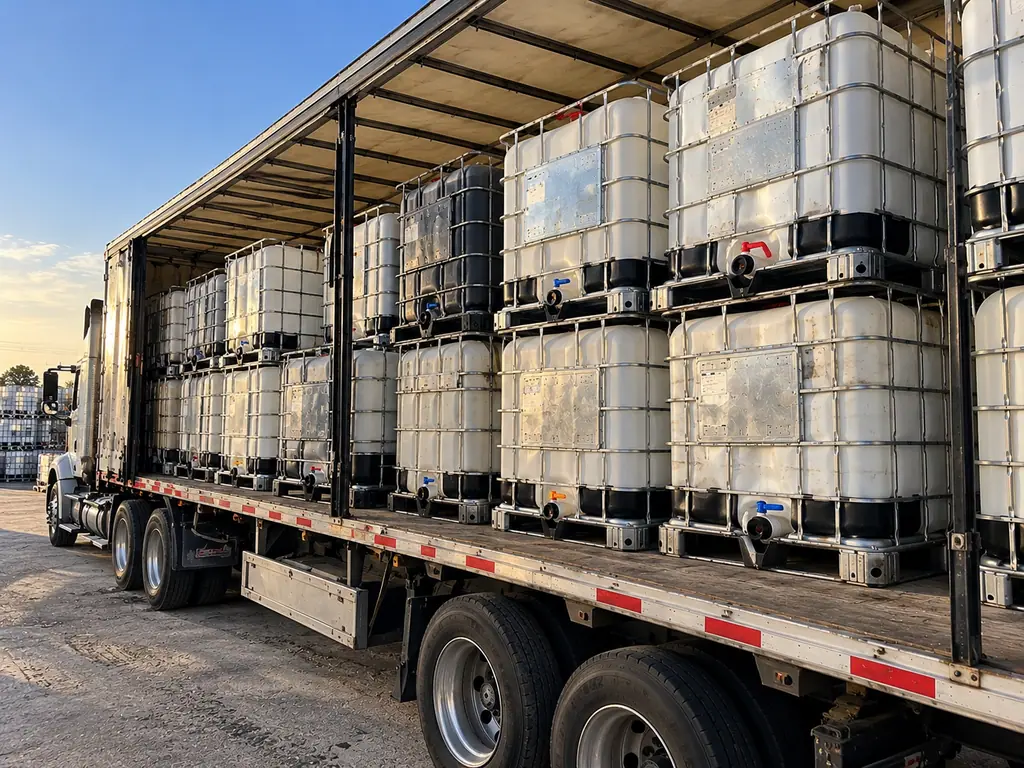
A returnable tote programme is mostly arithmetic and partly organisational design. The arithmetic is easy. The organisational design is where programmes fail.
Step 1 · Measure cycle time honestly
Cycle time is the number of days between a tote leaving you full and being available to fill again. Not the transit time — the whole loop, including the two weeks it sits at your customer's dock because nobody has emptied it.
Most people guess fourteen days and measure twenty-eight. Measure before you size anything.
Step 2 · Size the pool
Pool size equals shipments per month divided by cycles per month, times a float. With a 28-day cycle you get roughly one cycle per month, so a customer shipping 40 totes a month needs about 40 in circulation plus float.
Float covers washing, repair, transit variance and the unit sitting in your yard on the day somebody wants an extra. We use 1.6 to 2.2 units per monthly shipment as a planning range, depending on lane length.
| Shipments / month | Cycle time | Pool size (1.8× factor) | Approx. capital if owned |
|---|---|---|---|
| 20 | 21 days | 36 | ~$10,800 |
| 40 | 28 days | 72 | ~$21,600 |
| 40 | 14 days | 36 | ~$10,800 |
| 100 | 28 days | 180 | ~$54,000 |
Step 3 · Solve the people problem
Pools fail because returning an empty tote is nobody's job. The fixes are unglamorous:
- A named person at the receiving end, written on the delivery paperwork.
- A stencilled number on every cage. Anonymous assets disappear.
- Scheduled collection on a route, not on request. Requests get deferred; routes do not.
- A stated replacement value, so that the cost of losing one is visible to the person who loses it.
- A monthly reconciliation, small enough to investigate.
Step 4 · Decide own versus pool
Owning is cheaper if your lane is short, your cycle fast and your yard disciplined. Pooling is cheaper if your cycle is long, your volume seasonal, or your capital has better uses. We will build the model both ways and show you the honest answer, which is sometimes 'buy them outright and manage it yourself'.
Step 5 · The first year
Expect three things. Cycle time will be worse than planned for the first quarter and then improve sharply once the receiving end learns the routine. Loss will spike early as units go missing at sites that have not yet assigned an owner. And somebody will cut one open to make a planter, which is when the stencil earns its cost.
The emissions argument, since it always comes up
Higher utilisation means fewer cages manufactured for the same volume shipped. Planned retrieval means fewer empty miles. It is the same arithmetic as reuse, applied to the fleet rather than the unit, and it is the reason pooling customers have the cleanest numbers of anyone we supply.