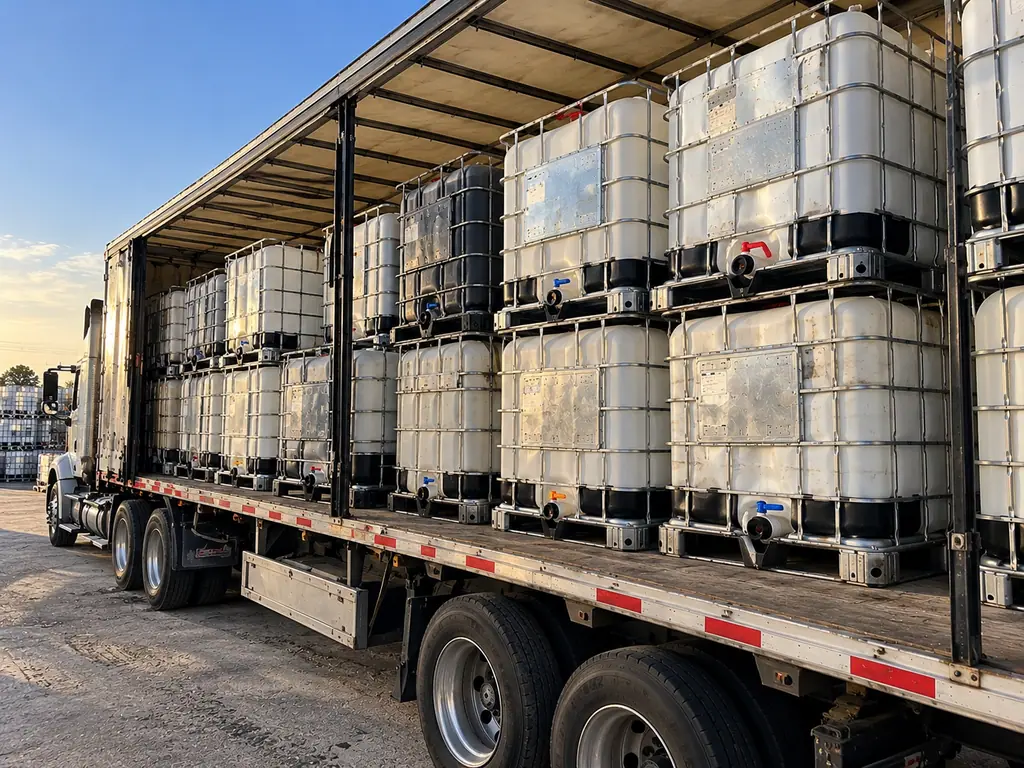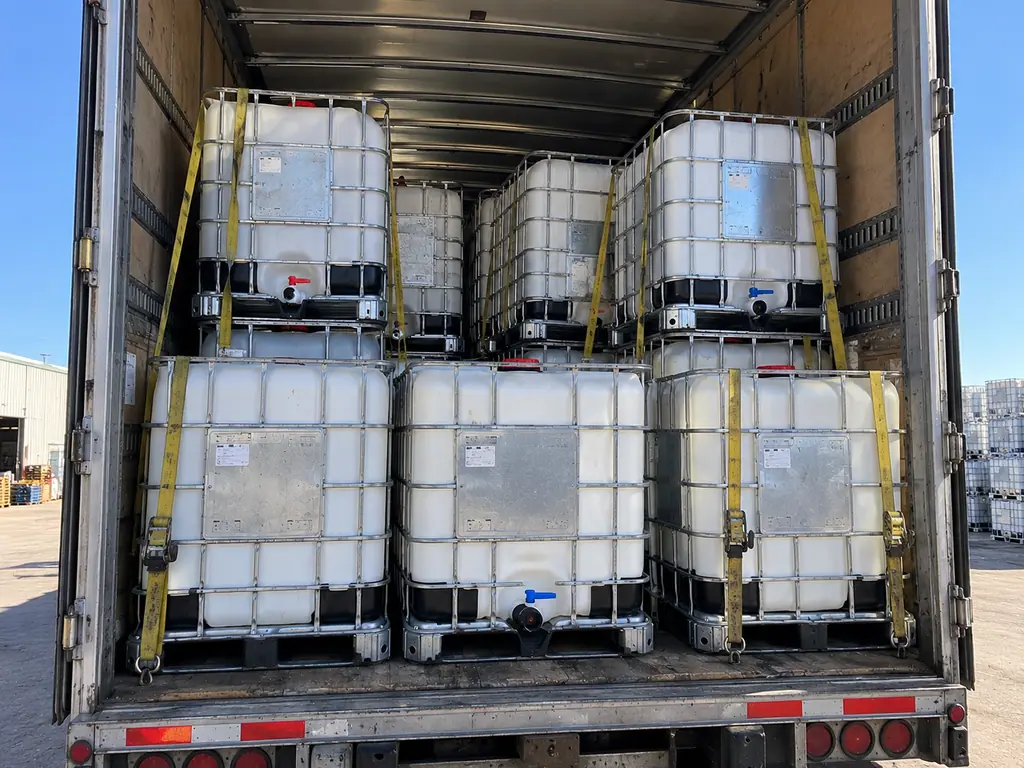
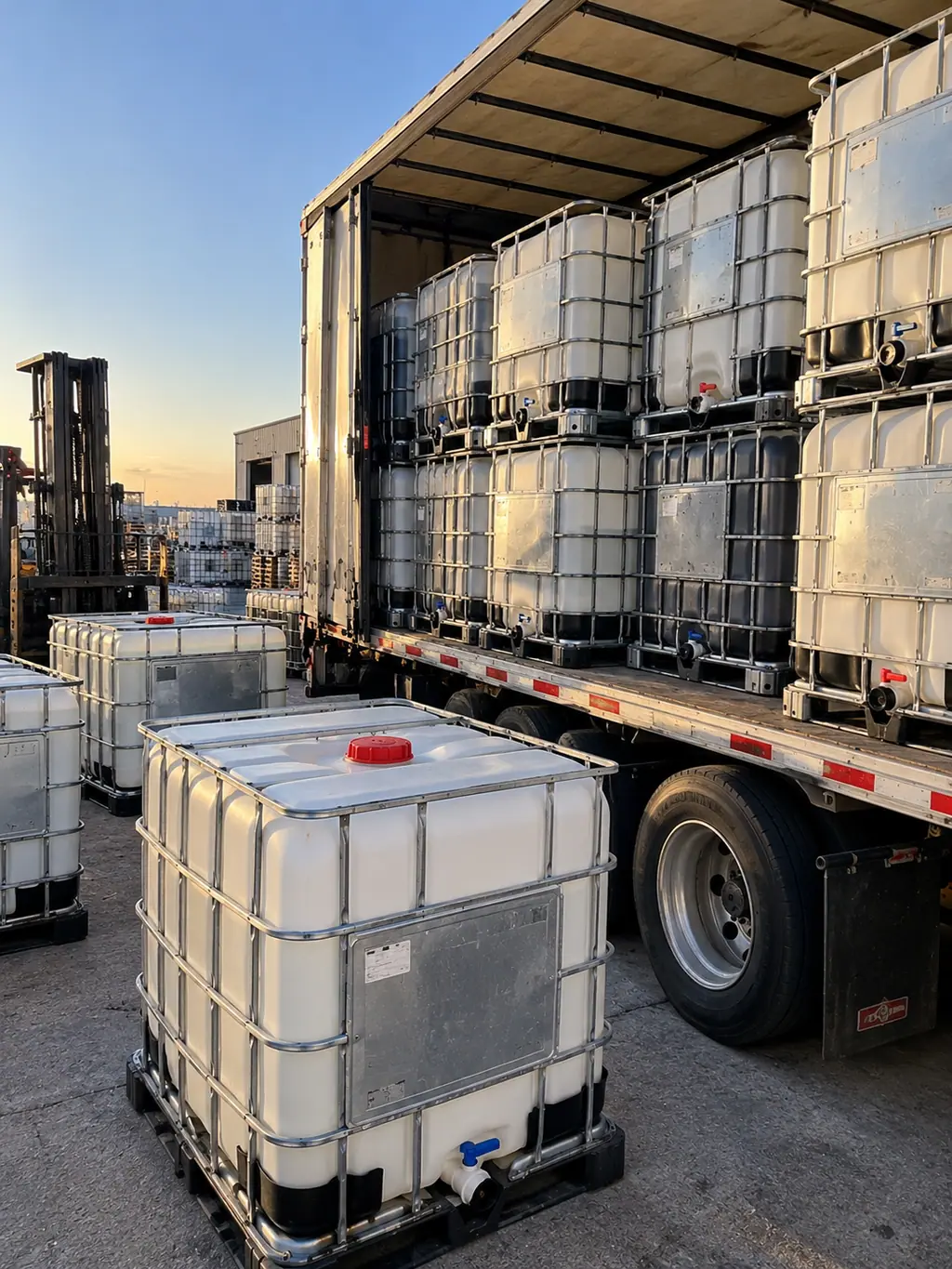
Search any classifieds site for food-grade IBC totes and you will find dozens, priced at a third of what a reconditioning yard charges. Some of those listings are genuine. Most are a category error, and a few are a problem.
What the cheap listings usually are
- A technical-grade tote that looks clean. The seller is not lying; they are using the word the way most people use it, to mean visually clean.
- A food-grade bottle that once held food and has since held something else. One industrial fill ends the category permanently, and the seller may not know about the fill before theirs.
- A genuine food unit stored open in a yard for two years. Clean history, contaminated present.
- A unit with a food label still attached, sold on the strength of the label. Labels outlive contents.
Why history cannot be recovered after the fact
Food grade is a statement about every fill in a bottle's life, not about its current state. Cleaning changes the state. Nothing changes the history. That is why we will rebottle a unit rather than upgrade it — a new bottle has a history of zero fills, which is a history we can stand behind.
Once a chain of custody is broken, it is broken. A second-hand marketplace breaks it by design: the seller knows what they did with it, not what the person before them did.
The two listings that are genuine bargains
First: a single-product business selling directly. A maple producer, a brewery, a juice packer clearing their own fleet. They know the entire history because they created it, and they will tell you the product by name. These are excellent buys and we compete for them ourselves.
Second: one-trip units from a product manufacturer. Filled once at the factory, emptied by the first user, sold on. The history is one line long and verifiable from the original label.
What to do if you have already bought one
Use it for something that does not care. Irrigation, wash water, fertilizer, ballast, a rain tank for the garden rather than for livestock. A tote with an unknown history is a perfectly good tote with a narrower range of jobs.
What not to do is put something edible in it on the strength of a listing. Of all the ways to save two hundred dollars, that is the one with the worst tail risk.
What we would want in that listing instead
Product name, manufacturer, number of prior fills, whether the seller is the original user, wash method, and a photograph of the lit interior. Six facts. Any seller who posts those six is selling something real, at whatever price they like.